
 Proper septic system installation and routine inspections are essential for long term system performance, property protection, and compliance with local regulations. A well designed, correctly installed system prevents costly failures, protects groundwater, and ensures your home or business operates safely for years to come.
Why this matters? Successful septic system installation begins long before the tank goes into the ground. Every step must be completed with precision to ensure long term reliability. A poorly installed system can lead to backups, foul odors, and expensive drain field damage—issues that are far more costly to repair than to prevent.
Proper installation includes:
- Approved site evaluations
- Correct placement and tank leveling
- Adhering to required distances from wells, buildings, and water sources
- Installing watertight components
- Ensuring all pipes maintain a consistent slope for proper flow
These important steps help prevent premature system failure and support reliable operation for decades.
Installation Planning and Approval
Before installation can begin, a site evaluation will be completed and must be approved by local health authorities. The evaluation determines:
- Soil type and adoption capacity
- Depth of the water table
- Proper system size
- Ideal placement of the tank and drain field
Once approved, the system can be installed on stable, level ground, and positioned with the required setbacks from structures and water sources. This ensures the system can safely process wastewater without risking contamination or structural issues.
Installation and Inspection
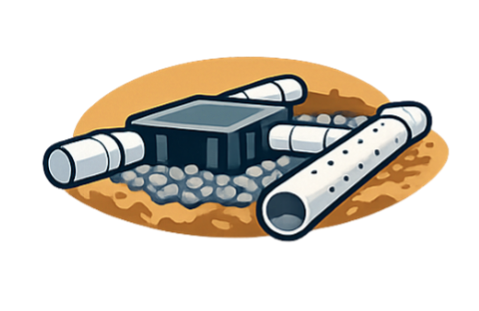
The process involves excavating, setting the tank, installing pipes with a proper, consistent slope to prevent drainage issues, and ensuring all components are watertight. Using risers is recommended for easier, safer access during future inspections and pumping.
Once installed, inspectors will examine the structural integrity of the tank, baffles and risers, measure sludge/scum levels to determine if pumping is required, and perform absorption tests on the drain field.
Any of these signs may indicate a system that needs immediate attention.

Routine Maintenance & Safety
A septic system requires proactive care to perform reliably. Industry standards recommend:
- Professional inspection every three years
- Tank pumping every three to five years, depending on household size and usage
- Avoiding chemical additives, which can damage essential bacteria
- Keeping the drain field clear of vehicles, heavy equipment, and deep rooted plants
With proper maintenance, a septic system can function efficiently for decades.
Common Signs of Septic System Failure
Recognizing early symptoms can prevent major damage. Watch for:
- Slow or gurgling drains
- Sewage odors around the yard or inside the home
- Wet or soggy patches on or near the drain field
- Backups in plumbing fixtures
- Lush, unusually green grass over the drain field
Any of these signs may indicate a system that needs immediate attention.
Protect Your Property With Professional Care
From precise installation to ongoing inspections and maintenance, proper septic system care is essential for long term performance and property value. Whether you’re installing a new system or need routine service, professional oversight ensures safety, compliance, and peace of mind.